
What to Know About Drip Edge Installation for Roof Protection in Franklin
Learn More About Drip Edge Installation with Hucke Exteriors
When homeowners think about roof protection, they often focus on shingles, gutters, or flashing around chimneys. One small but extremely important feature is often overlooked. That feature is the drip edge. Proper Drip Edge Installation plays a key role in protecting the edges of the roof and guiding water away from vulnerable areas of the home.
Although it may seem like a minor detail, a drip edge helps protect the entire roofing system. When installed correctly, it prevents moisture damage, improves drainage, and helps extend the life of your
roof in Franklin.
What Is a Drip Edge and Why It Matters
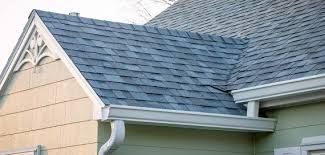
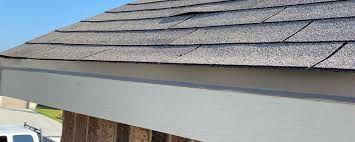
A drip edge is a thin metal flashing installed along the edges of the roof. It is usually made from aluminum, galvanized steel, or copper. Its job is simple but very important. It directs rainwater away from the roof deck and fascia and into the gutter system.
Without this protection, water can run along the underside of the shingles and soak into the wood along the roof edge. Over time this moisture can cause rot, mold growth, and structural damage. A drip edge creates a barrier that stops water from moving backward under the roofing materials.
This small component works quietly every time it rains, helping your roof stay dry and strong.
Get A Quote Today
How Drip Edge Protects Your Roof
The main purpose of a drip edge is to control the way water leaves your roof. When rain flows down the shingles, the metal edge guides it directly into the gutters. This helps keep moisture away from important structural components.
Without proper installation, water may drip behind the gutter or cling to the underside of the roof. That can cause the fascia boards to weaken and eventually rot. Over time this can lead to costly repairs that could have been avoided.
Drip edges also help reinforce the edge of the roof. By securing the shingle line at the perimeter, they can reduce the chance of wind lifting the shingles during storms.
Why Drip Edge Installation Is Important in Franklin
Homes in Franklin experience a wide range of weather throughout the year. Heavy rain, wind, and seasonal temperature changes can put stress on a roofing system.
Drip edges help manage water flow during rainstorms so moisture does not collect around the roof edge. They also help prevent wind driven rain from getting underneath shingles.
Another benefit is protection against pests. Small gaps along roof edges can allow insects or small animals to enter the attic. A properly installed drip edge helps seal those areas and reduce the chances of unwanted visitors.
Common Drip Edge Installation Mistakes
Even though the design of a drip edge is simple, installation must be done carefully. If the flashing is installed incorrectly, it may not provide the protection your roof needs.
One common issue is installing the drip edge on top of the shingles rather than underneath them. This allows water to travel beneath the flashing instead of flowing away from the roof.
Another problem occurs when sections are missing or poorly connected. Gaps in the flashing allow moisture to reach the roof deck and fascia boards.
Improper overhang can also cause water to run behind the gutters instead of into them. This can damage siding, landscaping, and the foundation over time.
Professional installation ensures that the flashing overlaps correctly and directs water exactly where it should go.
Call To Schedule Your
FREE PROPERTY INSPECTION
Different Materials Used for Drip Edges
Drip edges are available in several durable materials. Aluminum is one of the most common choices because it is lightweight and resistant to rust. It can also be painted to match the color of the roof.
Galvanized steel is another strong option that performs well in areas with tough weather conditions. It offers added durability and long term protection.
Copper drip edges are less common but extremely durable. They also develop a unique look over time as the metal ages naturally.
No matter which material is used, proper installation is what makes the biggest difference in performance.
Maintaining Your Roof Edge
Like any part of your roofing system, the drip edge should be inspected from time to time. After strong storms, it is a good idea to look for signs of bending, rust, or loose sections.
Keeping gutters clean is also important. When gutters become clogged, water can overflow and reduce the effectiveness of the drip edge.
If you notice damage along the roof edge or signs of moisture around the fascia, it is best to have a professional inspection performed.
Protect Your Franklin Home With the Right Roofing Details
A roof is made up of many components working together to protect your home. While shingles may get the most attention, smaller features like drip edges are just as important.
With proper Drip Edge Installation Franklin homeowners can prevent water damage, improve drainage, and extend the life of their roof.
At Hucke Exteriors, our roofing team understands how every part of the roofing system works together. We focus on quality installation and attention to detail so your roof stays strong through every season.
If you are planning roof repairs or a replacement, making sure your drip edge is installed correctly is one of the smartest steps you can take to protect your home.


Understand Drip Edge Issues That Often Go Unnoticed in Franklin Homes
Protecting your home in Franklin starts with recognizing that problems along the roof edge are not always easy to spot. Many homeowners assume their roof is in good condition as long as shingles look intact and there are no visible leaks. However, when a drip edge is missing or installed incorrectly, water can quietly move beneath the roof edge and begin damaging the structure underneath.
Roofs in Franklin regularly experience heavy rain, strong winds, and seasonal weather changes that place stress on roofing systems. Without proper drip edge installation, rainwater can cling to the underside of shingles or run behind the gutters instead of flowing safely away from the roof. Over time, this trapped moisture can lead to fascia rot, mold growth, and gradual deterioration of the roof deck.
Many homeowners do not realize a drip edge problem exists until warning signs begin to appear. Peeling paint along the fascia, water stains near the roof edge, sagging gutters, or damp wood around the eaves are often early indicators. In some cases, pests may even find their way into small openings along the roofline. What may seem like a minor roofing detail can slowly develop into larger structural issues if left unaddressed.
A proper roof evaluation goes beyond checking shingles. It includes examining the drip edge flashing along the perimeter of the roof, ensuring it is correctly positioned beneath the roofing materials, and confirming that water is being directed properly into the gutter system. Identifying these issues early helps prevent moisture damage, protects structural components, and extends the lifespan of the roof.
For homes in Franklin, long term roof performance depends on careful attention to these protective details. Working with a local roofing professional ensures the drip edge is properly installed, securely integrated with the roofing system, and designed to guide water safely away from your home.