
What Causes Exterior Paint to Peel Prematurely on Franklin Homes?
Why Exterior Paint Peels Early in Franklin Homes
Fresh exterior paint can make your home look clean, bright, and well cared for. But when that paint starts peeling after only a few years, it can leave you frustrated and facing another repair bill. For homeowners in Franklin, Wisconsin, changing temperatures, rain, snow, and summer heat can put exterior paint to the test.
So, what causes
exterior paint to peel prematurely on Franklin homes? The answer often comes down to moisture, poor preparation, the wrong paint, or weather conditions during application. Finding the real cause is the first step toward a finish that lasts.
Moisture Can Get Behind the Paint
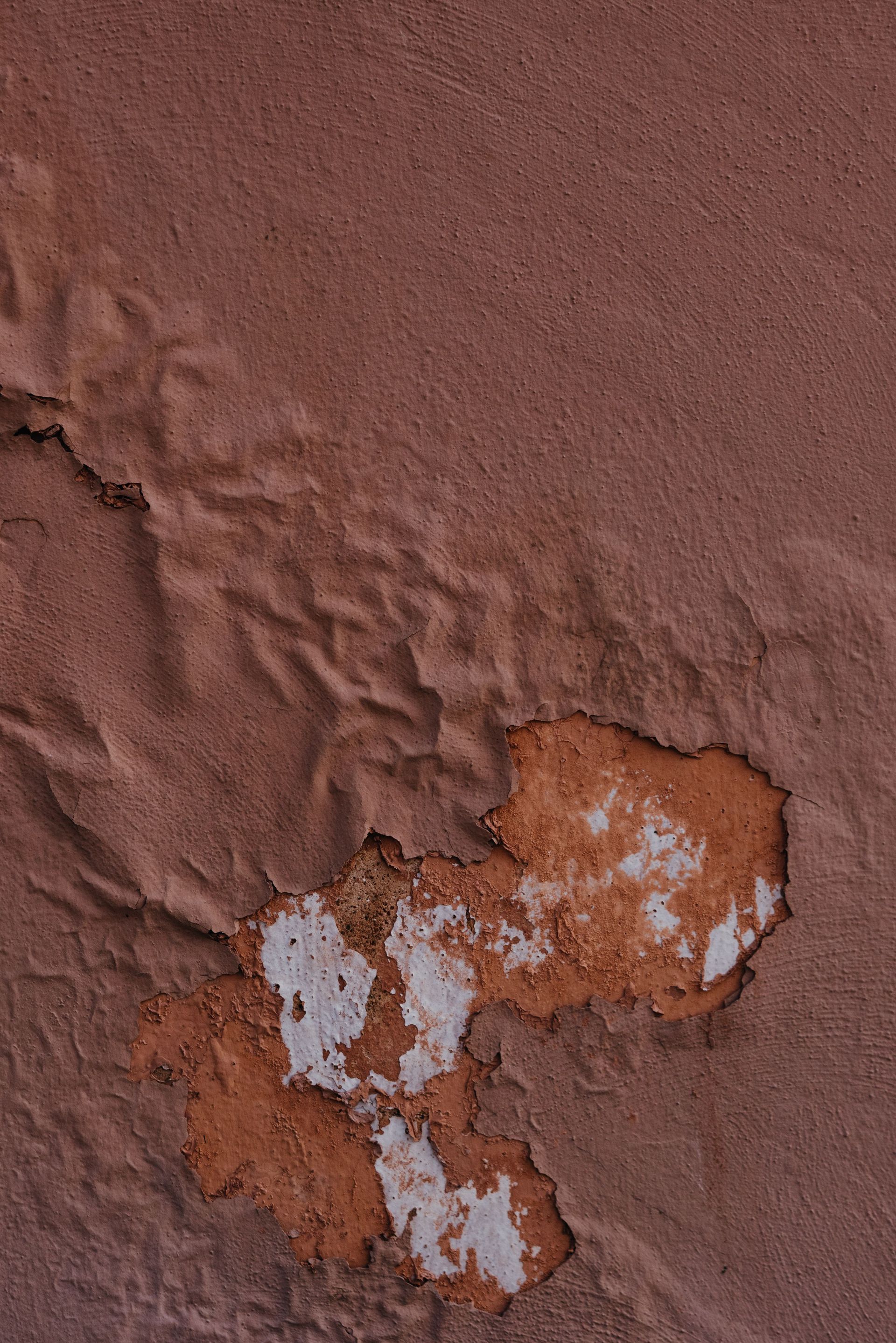
Moisture is one of the most common reasons exterior paint begins to peel. When water gets behind the paint, it can weaken the bond between the coating and the surface underneath. As the moisture builds, the paint may bubble, crack, or flake away.
Several problems can allow water to reach your home's exterior. Damaged caulking around windows and doors, leaking gutters, roof problems, and cracks in siding can all let moisture in. Water that repeatedly splashes against the house can also contribute to paint damage.
Franklin's changing seasons can make the problem worse. When trapped moisture freezes and expands, it puts pressure on the paint and the material beneath it. Repeated freezing and thawing can cause small areas of peeling to spread.
Before repainting, any source of water needs to be found and repaired.
Get A Quote Today
Poor Surface Preparation Can Cause Early Peeling
A lasting paint job starts well before the first coat goes on. If the surface is dirty, dusty, chalky, or covered with loose paint, the new coating may not bond properly.
Painting over peeling paint is especially risky. The fresh coat may look good at first, but if the older paint underneath continues to pull away, the new layer can come off with it.
Proper preparation may include cleaning the surface, removing loose paint, sanding rough edges, repairing damaged areas, and applying primer where needed. These steps take time, but they help create a stable surface for the new paint.
Skipping preparation might save time at first, but it can lead to another round of peeling much sooner than expected.
The Wrong Paint or Primer May Have Been Used
Not every paint works well on every exterior surface. Wood siding, trim, and other materials can have different needs. Using an unsuitable product can lead to cracking, poor adhesion, or early peeling.
Primer also plays an important role. Bare wood and repaired areas often need the right primer to help the topcoat stick and provide even coverage. Without it, the paint may absorb unevenly or fail to bond as intended.
Quality matters, too. Exterior paint needs to handle moisture, sunlight, and changes in temperature. Choosing products suited to your home's materials and local weather can help protect the finish for longer.
Painting in the Wrong Weather Can Lead to Trouble
Even high quality paint can fail if it is applied under poor conditions. Painting a damp surface, working in temperatures outside the product's recommended range, or applying paint in strong direct sunlight can interfere with drying and bonding.
Wisconsin weather can change quickly, especially during spring and fall. A day that starts warm may become too cold later, while overnight temperatures can affect how the paint cures.
Surfaces also need enough time to dry after rain or washing. Painting too soon can trap moisture beneath the coating and increase the risk of peeling.
A careful painting schedule helps give each coat the conditions it needs to dry and cure properly.
Aging Paint and Damaged Siding Can Be Other Causes
Exterior paint does not last forever. Years of sun, rain, wind, and seasonal temperature changes gradually wear down even a well applied coating. Paint may become brittle, fade, crack, or lose its grip on the surface.
Sometimes the material underneath is the real problem. Rotten wood, cracked siding, loose trim, or repeated water damage can prevent new paint from lasting.
If paint keeps peeling in the same spot, do not assume another coat will fix it. The surface may need repairs before repainting can begin.
Call To Schedule Your
FREE PROPERTY INSPECTION
How to Help Exterior Paint Last Longer
The best way to prevent premature peeling is to address problems before they spread. Keep gutters working properly, repair damaged caulking, and watch for cracks or signs of moisture around windows, doors, and siding.
When it is time to repaint, make sure the surface is clean, dry, and sound. Remove loose paint, repair damaged materials, use the right primer, and choose exterior paint suited to the surface and weather conditions.
If your home has widespread peeling or the same areas keep failing, a professional inspection can help identify the cause before you spend money on another paint job.

Protect Your Franklin Home With Hucke Exteriors
Peeling exterior paint is more than a cosmetic problem. It can point to moisture issues, poor preparation, or damage that needs attention. Fixing the cause first can help you avoid repeat work and keep your home looking its best.
Hucke Exteriors helps homeowners protect and improve their
home's exterior. If your Franklin home has peeling, bubbling, or flaking paint, reach out to discuss your exterior painting needs and determine the right next step.