
How Roof Valleys Fail and How to Fix Them in Merton
Discover the Causes of Roof Valleys Failure
When it comes to protecting your home, roof valleys do more heavy lifting than most homeowners realize. These areas sit where two roof slopes meet, guiding water safely down into your gutters. But because they handle such a large amount of water, they are also one of the most common places for leaks to start.
If you live where storms, snow, and seasonal changes are part of life, understanding how roof valleys fail can help you avoid expensive repairs and unexpected stress.
Why Roof Valleys Are So Vulnerable
Think of a roof valley as a channel that carries rain and melting snow off your roof. Every drop of water from two slopes flows into this one area. That constant flow creates pressure on the materials underneath.
Over time, even small weaknesses can turn into major problems. If the valley is not built or maintained properly, water can slip under shingles and begin damaging the structure below.
This is why roof valleys are often the first place
Merton roofers check when a homeowner reports a leak.
Get A Quote Today
Common Causes of Roof Valley Failure
There is rarely just one reason a roof valley fails. Most issues develop over time due to a mix of factors.
One of the biggest causes is poor installation. If flashing is not placed correctly or shingles are not aligned the right way, water can find its way in from day one.
Weather also plays a major role. Heavy rain, strong winds, and freezing temperatures can slowly wear down materials. In Merton, freeze and thaw cycles can be especially tough on roof valleys.
Age is another factor. As roofing materials get older, they lose their ability to keep water out. The constant flow of water through valleys speeds up that wear.
Debris buildup is often overlooked but just as damaging. Leaves and branches can collect in valleys, blocking water flow and causing it to pool. When water sits in one place, it has more time to seep under the roof.

Warning Signs Your Roof Valley Is Failing
The good news is that roof valley problems usually show signs before they become severe. Catching these early can save you a lot of money and frustration.
- Look for missing or damaged shingles along the valley line. These gaps expose the layers underneath and make leaks more likely.
- Rust or corrosion on metal flashing is another red flag. Once flashing starts to break down, it cannot properly guide water away.
- Inside your home, water stains on ceilings or walls near the roofline are often linked to valley leaks. You might also notice a musty smell if moisture has been building up over time.
- If the valley looks uneven or sagging, that could mean water has already caused structural damage beneath the surface.
Why Quick Fixes Often Do Not Work
It can be tempting to patch a leak and hope for the best. But roof valleys are not always easy to repair with a quick fix.
Because so much water flows through this area, even a small mistake in the repair can lead to another leak. In many cases, the best solution is to rebuild the valley properly rather than trying to fix one small section.
Professional roofers often remove the surrounding materials, install new underlayment, and add fresh flashing before replacing the shingles. This approach ensures the valley can handle heavy water flow again.
Call To Schedule Your
FREE PROPERTY INSPECTION
The Right Way to Fix a Roof Valley
A proper repair starts with a full inspection. It is important to understand not just where the leak is showing up, but what caused it in the first place.
In many cases, replacing the valley flashing is the most effective solution. High quality metal flashing paired with a strong underlayment creates a reliable barrier against water.
Some roofing systems use a closed valley design, where shingles cover the valley. Others use an open valley with exposed metal. Both can work when installed correctly, but the key is proper technique and attention to detail.
Replacing damaged shingles and clearing out debris are also part of the process. Every layer needs to work together to keep water moving off the roof.
How to Prevent Future Roof Valley Problems
The best way to avoid major repairs is to stay ahead of small issues. Regular roof inspections can catch early signs of damage before they turn into leaks.
Keeping your roof clear of leaves and debris is another simple but powerful step. Clean valleys allow water to flow freely, reducing the risk of pooling.
After storms, take a few minutes to check your roof from the ground. Look for missing shingles or debris buildup. If something looks off, it is worth having a professional take a closer look.

Protect Your Merton Home with Expert Roofing Care
Roof valleys may not be the most visible part of your home, but they play a critical role in keeping everything inside safe and dry. When they fail, the damage can spread quickly.
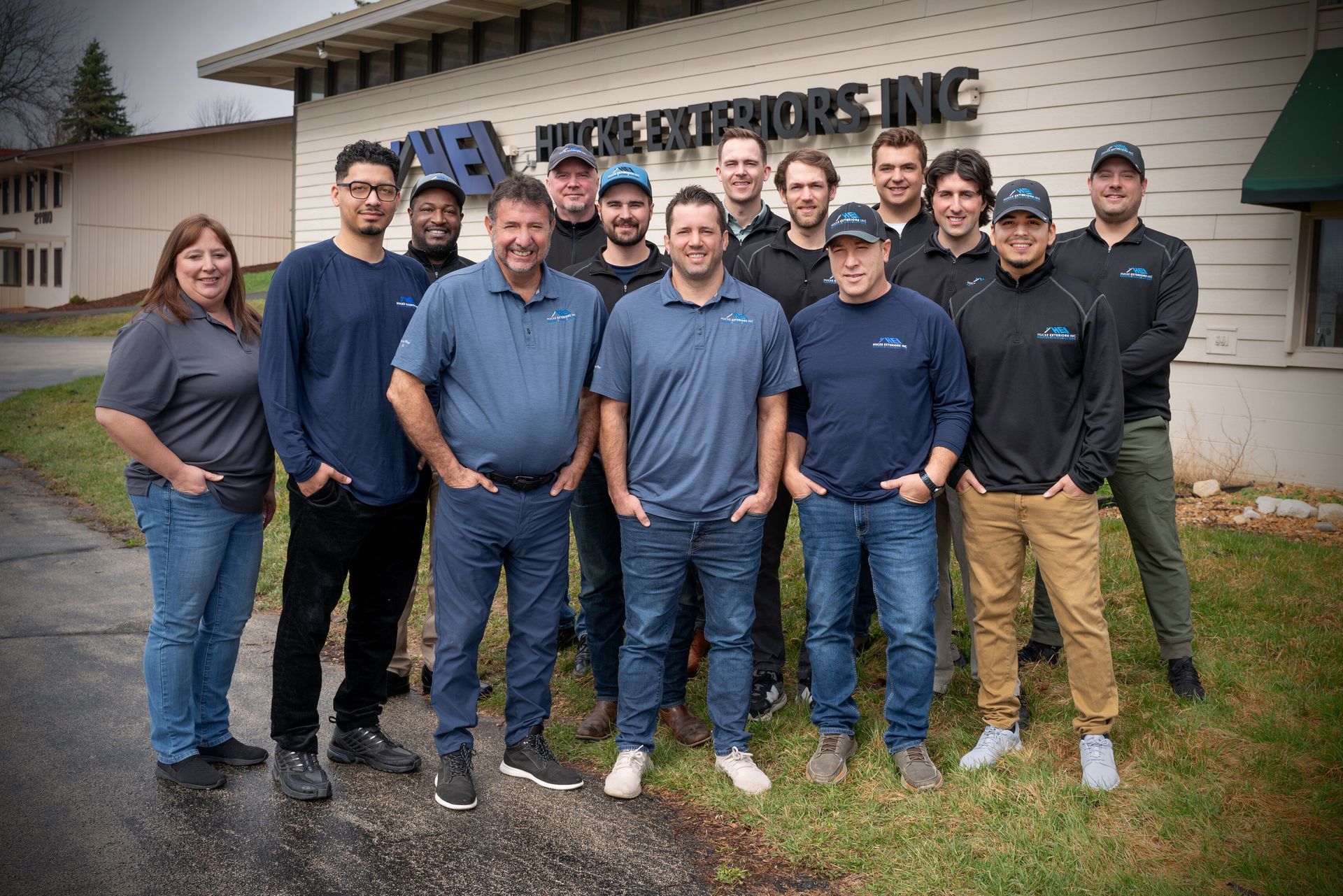
That is why working with a trusted local roof contractor matters. Hucke Exteriors understands how Merton weather impacts roofing systems and knows how to repair and reinforce valleys the right way.
If you suspect a problem or just want peace of mind, scheduling a professional inspection is a smart step. A strong roof starts with the details, and roof valleys are one detail you do not want to overlook.


Understand Roof Valley Problems That Often Go Overlooked in Merton Homes
Protecting your home in Merton starts with understanding that roof valleys are one of the most important yet overlooked parts of your roofing system. Many homeowners assume their roof is in good condition as long as the shingles appear intact. However, problems in roof valleys can quietly develop and lead to leaks if not addressed early.
Homes in Merton experience a range of weather conditions throughout the year, including heavy rain, snow, and seasonal temperature changes. Because roof valleys handle large amounts of water flow, they are especially vulnerable to wear and damage. Over time, flashing can deteriorate, shingles can shift, and small gaps can form where water begins to enter.
Many homeowners do not realize there is an issue until warning signs begin to appear. Water stains on ceilings, damp insulation, or musty odors can often be traced back to failing roof valleys. What may seem like a minor roofing concern can quickly turn into a more serious problem if water continues to seep beneath the surface.
A thorough roof evaluation goes beyond checking shingles alone. It includes closely inspecting roof valleys, ensuring flashing is properly installed, and confirming that water is being directed safely off the roof. Identifying these issues early helps prevent interior damage and costly repairs.