
Do Hartland Homes Need Ice and Water Barriers Under Roofing? Here’s Why
Why Hartland Homes Need Ice & Water Barriers Under Roofing
When you live in Hartland, you get the full Wisconsin weather experience—from deep freezes and heavy snow to summer thunderstorms and everything in between. Your Hartland roof is your first line of defense, and how it's built matters. One question we often hear from local homeowners is whether ice and water barriers are necessary under their shingles. The short answer is yes, especially in a climate like ours.
Let’s break down what these barriers do, where they go, and why they matter for homes in our area.
What Is an Ice and Water Barrier?
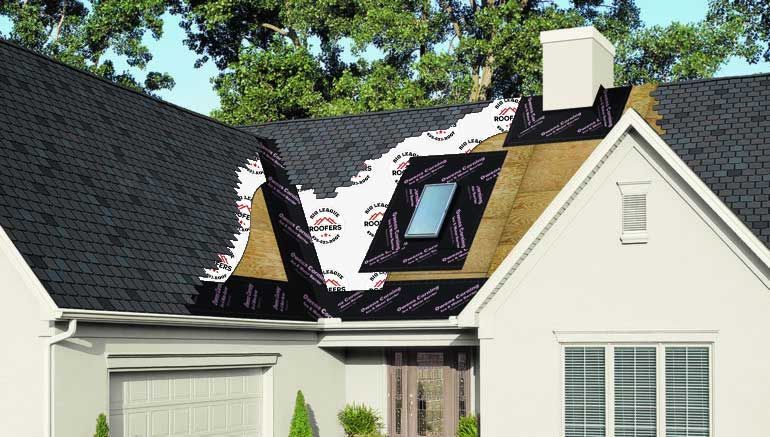
An ice and water barrier is a self-adhering, waterproof membrane installed beneath your shingles in the most vulnerable parts of your roof. Think eaves, valleys, dormers, skylights, and chimneys. Basically, spots where water tends to collect or sneak in when snow melts or rain pours down.
Unlike traditional roofing felt, this barrier sticks directly to the roof deck and forms a seal around nails and fasteners. That means even if shingles blow off during a storm, there’s still a layer of protection keeping water out.
Get A Quote Today
Why Hartland Homes Are Especially at Risk
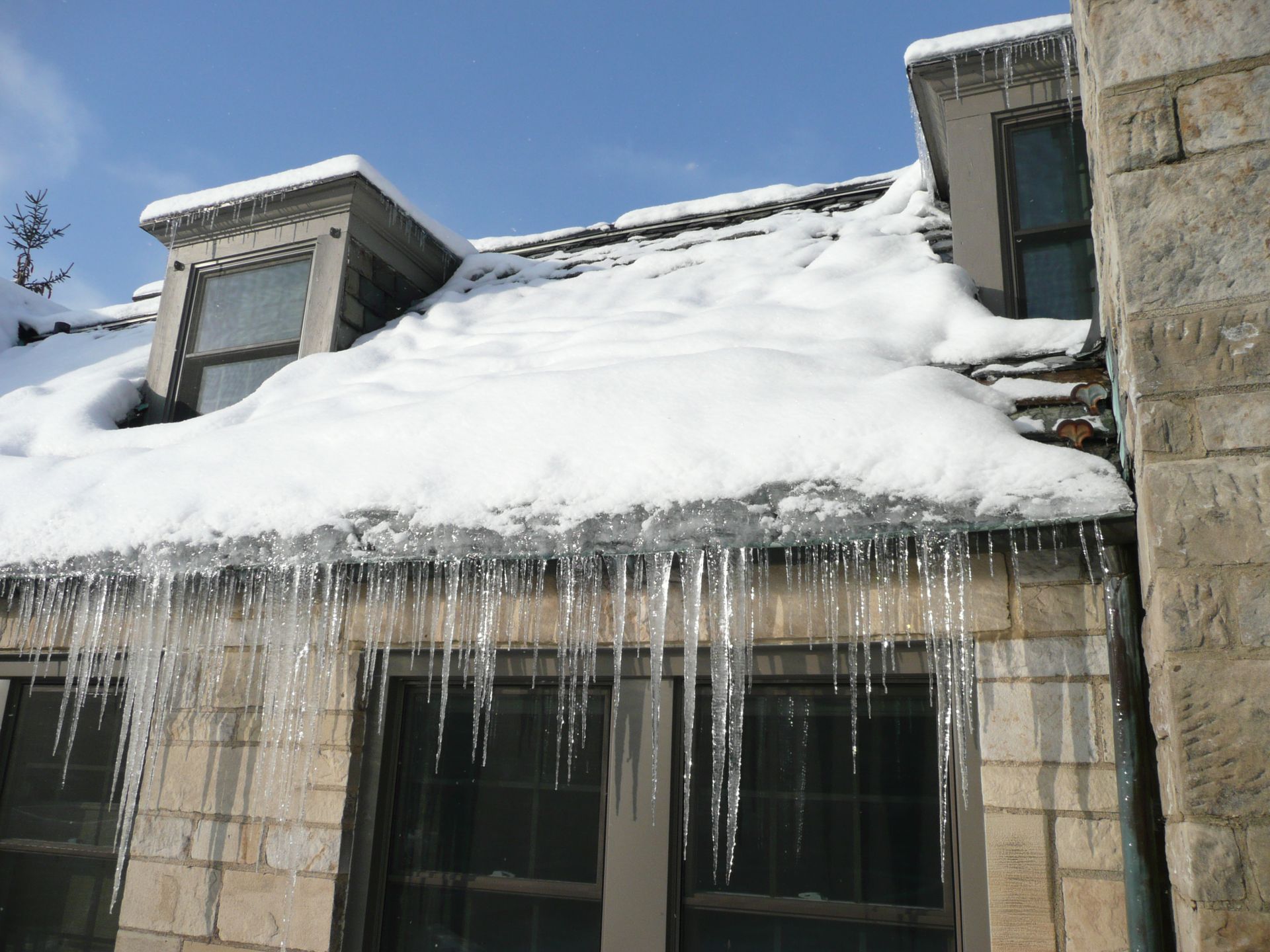
Hartland winters are no joke. Ice dams are one of the biggest reasons ice and water barriers are critical here. These form when snow on your roof melts during the day and refreezes at night, creating a ridge of ice that traps melting water. Without a barrier, that trapped water can sneak under your shingles and into your attic, causing leaks, insulation damage, and even mold growth.
And it’s not just about snow. Spring rains and summer downpours can lead to
wind-driven water finding its way into cracks and seams if your roof isn't sealed properly. A good ice and water barrier steps in where shingles and flashing alone may fall short.
Protecting the Most Vulnerable Areas of the Roof
While a full-coverage underlayment protects the entire roof deck, ice and water shields are targeted solutions for high-risk zones. These include:
- Roof valleys, where two slopes meet and water naturally channels
- Edges of the roof, where snow and ice buildup is common
- Around chimneys, skylights, and vent stacks, where sealing is critical
- Low-slope areas, which don’t drain as easily
The membrane’s ability to form a tight bond even around roofing nails gives it a huge advantage in these areas.
What Happens Without It?
Skipping an ice and water barrier may save a little on upfront costs, but you’re taking a risk that could lead to thousands in repairs later. Once water gets into your roof deck or attic, it can ruin insulation, warp wood, and create the perfect conditions for mold to grow. Wet insulation also stops doing its job, meaning your heating and cooling bills go up, and your home becomes less energy efficient.
The truth is, once moisture sneaks in, it rarely stays put, it spreads. That turns a small leak into a much bigger problem.
Call To Schedule Your
FREE PROPERTY INSPECTION
Building Code and Warranty Considerations
Here in Wisconsin, many local building codes require ice and water protection along roof eaves. Some even mandate coverage in other specific zones depending on your roof pitch and layout. If your roofer skips this step, you could run into problems passing inspections or maintaining compliance.
Beyond code, roofing manufacturers often require proper underlayments and ice barriers to validate their warranties. If your roof isn't installed to spec, your warranty may not cover future issues, even if they’re due to product failure.
Is It Worth the Investment?
Adding an ice and water barrier is a smart, long-term investment in your home. It gives you peace of mind knowing that your roof is protected from leaks, wood rot, and mold, especially during Hartland’s harsh winters. And when installed by a professional team that understands local building conditions, it can even improve your home's energy efficiency and extend the life of your roofing system.
It’s a one-time cost that can save you from future stress and unexpected expenses.

Schedule a Professional Roof Inspection in Hartland
Protecting your home in Hartland starts with understanding how well your roof is prepared to handle snow, ice, and freeze-thaw cycles. When melting snow refreezes at the roof edge or water backs up under shingles, even a small gap can lead to leaks and interior damage. That’s why scheduling a professional roof inspection from Hucke Exteriors is one of the smartest ways to determine whether your roof has the proper ice and water protection in place.
Our team understands how Hartland’s winter conditions stress roofing systems year after year. Ice dams, wind-driven rain, and rapid temperature changes can push moisture beneath shingles. During a roof inspection, we check for signs of ice dam damage, water intrusion, deteriorating underlayment, and whether ice and water barriers are properly installed in vulnerable areas. If we find gaps or deficiencies, we recommend solutions that strengthen your roof’s defense against winter moisture.
Many homeowners don’t realize their roof lacks adequate ice and water protection until leaks appear inside the home. By scheduling an inspection early, you can identify these risks before they lead to costly repairs. With Hucke Exteriors, you’ll receive clear guidance, preventative recommendations, and confidence that your roof is built to withstand Hartland’s harsh winter conditions.
When it comes to roofing protection in Hartland, don’t wait for ice dams or water stains to signal a problem.
Contact us today
to schedule your professional roof inspection and find out whether ice and water barriers are doing their job.