
Choosing the Right Underlayment: Synthetic vs Felt for New Berlin Roofs
Synthetic vs Felt Underlayment
When most homeowners think about a new roof, they picture shingles. What many people do not realize is that one of the most important parts of the system sits underneath. Roof underlayment acts as a protective barrier between your shingles and the roof deck. Choosing the right type can make a big difference in how well your roof handles rain, snow, and changing temperatures here in New Berlin.
If you are planning a
roof replacement in New Berlin or building a new home, understanding the difference between synthetic and felt underlayment in will help you make a confident decision.
What Roof Underlayment Actually Does
Underlayment is installed directly on top of the roof deck before shingles are added. Its main job is to provide a second layer of protection against water. If wind driven rain or melting snow gets under your shingles, the underlayment helps keep that moisture from reaching the wood beneath.
This extra layer also protects your roof during installation. Before shingles are installed, underlayment acts as temporary protection against the weather.
In a place like New Berlin where weather can shift quickly from heat to heavy rain or snow, this layer plays a major role in keeping your home dry.
Get A Quote Today
Felt Underlayment
Felt underlayment has been used for decades and is still a common option today. It is made from natural or fiberglass materials that are saturated with asphalt to create a water resistant surface.
One of the biggest reasons homeowners choose felt is cost. It is more affordable upfront, which makes it appealing for budget focused projects.
Felt also offers some breathability, which can help reduce moisture buildup in certain situations. However, it does come with some limitations.
Felt can tear more easily during installation or in strong winds. It also absorbs water if exposed too long, which can lead to wrinkling and uneven shingle installation. Because of this, it usually needs to be covered quickly once installed.
While it can perform well, felt may not last as long as newer materials, especially in areas with changing weather conditions.
Synthetic Underlayment
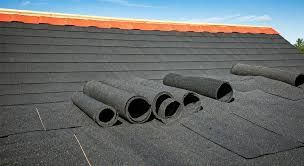
Synthetic underlayment is a newer option designed with advanced materials such as polymers. It has quickly become a popular choice for many roofing projects.
One of the biggest advantages is durability. Synthetic materials resist tearing and hold up well against foot traffic during installation. They also perform better in extreme temperatures, staying stable in both heat and cold.
Another key benefit is water resistance. Unlike felt, synthetic underlayment repels water rather than absorbing it. This provides stronger protection if your roof is exposed to rain before shingles are installed.
Synthetic underlayment is also lighter and comes in larger rolls. This allows for faster installation with fewer seams, which can improve overall performance.
While the upfront cost is higher, many homeowners see it as a long term investment in better protection and fewer future repairs.
Comparing Performance in New Berlin Weather
New Berlin homes deal with a mix of heavy rain, snow, and temperature swings throughout the year. These conditions can put stress on roofing materials.
Synthetic underlayment tends to perform better in these environments because it handles moisture and temperature changes more effectively. It is less likely to break down over time, which can help extend the life of your roof.
Felt can still be a good option in milder conditions or for homeowners looking to save on initial costs. However, it may require more attention over time, especially if exposed to moisture.
Call To Schedule Your
FREE PROPERTY INSPECTION
Cost vs Long Term Value
Budget is always an important factor when choosing roofing materials. Felt underlayment costs less upfront, which can make it attractive for short term savings.
Synthetic underlayment costs more at the start, but it often lasts longer and provides stronger protection. This can reduce the chances of leaks and future repairs, saving money over time.
Installation can also play a role in cost. Synthetic materials are quicker to install, which may help reduce labor time.
Why Professional Installation Matters
No matter which type of underlayment you choose, proper installation is key. Even the best material will not perform well if it is not installed correctly.
An experienced roofing contractor will make sure the underlayment is placed with the right overlap, secured properly, and ready to protect your home.
At Hucke Exteriors, we take the time to evaluate each home and recommend the best solution based on your roof design, budget, and long term goals.
Making the Right Choice for Your Roof
Both synthetic and felt underlayment have their place in roofing. The right choice depends on your priorities, your budget, and how you want your roof to perform over time.
If you are looking for a lower upfront cost, felt may be a good option. If you want stronger protection and long lasting performance, synthetic underlayment is often the better choice.
In a climate like New Berlin, having a reliable barrier under your shingles can make all the difference. With the right materials and expert installation, your roof will be ready to handle whatever the seasons bring.

Understand Underlayment Choices That Often Go Overlooked in New Berlin Roofs
Protecting your home in New Berlin starts with understanding that what lies beneath your shingles plays a major role in overall roof performance. Many homeowners assume their roof is fully protected as long as the shingles look intact. However, the type of underlayment used can quietly impact how well your roof resists moisture and holds up over time.
Homes in New Berlin experience a wide range of weather conditions throughout the year, including heavy rain, snow, and seasonal temperature swings. These conditions can put stress on roofing materials, especially the underlayment. Felt underlayment has been a traditional choice for many years, but it can absorb moisture and become less effective if exposed for too long. Synthetic underlayment is designed to resist water and remain stable in changing conditions, making it a stronger option in more demanding environments.
Many homeowners do not realize how important underlayment is until warning signs begin to appear. Issues like water stains on ceilings, damp insulation, or minor leaks can sometimes be traced back to underlayment that is no longer performing properly. What may seem like a small roofing concern can develop into a larger problem if the underlying layer fails to provide adequate protection.
A thorough roof evaluation goes beyond checking shingles alone. It includes looking at the type and condition of the underlayment, making sure it is properly installed, and ensuring it can handle moisture effectively. Choosing the right underlayment early helps prevent water intrusion, structural damage, and costly repairs.
For homes in New Berlin, long term roof performance depends on selecting materials that can handle the local climate. Working with a
local roofing professional
helps ensure the right underlayment is chosen and installed correctly, giving your roof the protection it needs for years to come.